Skip to content

Helicopters are indispensable in modern policing and rescue operations, offering unique capabilities that no other vehicle can match. From aerial surveillance to life-saving missions, these versatile machines perform critical tasks under some of the most challenging conditions.
Aerial Surveillance and Tactical Support
One of the most significant contributions of helicopters to policing is their ability to provide aerial surveillance. Their bird’s-eye view allows law enforcement to monitor large areas, follow fleeing suspects, and manage crowd control during major events. For example, during high-speed chases, helicopters can maintain a visual on suspects without engaging in dangerous ground pursuits. This approach minimizes risks to public safety while keeping the target in sight.
Helicopters also provide tactical support for operations such as raids or hostage situations. By hovering silently at a safe altitude, they offer real-time intelligence, enhancing the situational awareness of ground units. With advanced equipment like high-resolution cameras and thermal imaging, helicopters can identify threats or monitor suspects’ movements even in low-light conditions.
Search-and-Rescue Operations
In emergencies, helicopters play a crucial role in search-and-rescue (SAR) missions. Their capability to reach remote or inaccessible locations makes them ideal for responding to disasters such as floods, earthquakes, or hurricanes. Helicopters can airlift stranded individuals, deliver medical supplies, or evacuate injured people from life-threatening situations.
Night-time rescues, in particular, benefit from the specialized equipment helicopters carry, such as powerful searchlights and infrared cameras. These tools help crews locate missing persons or navigate difficult terrains when visibility is low. In mountainous or forested areas, helicopters provide a lifeline for those who might otherwise remain unreachable.
The Challenges of Flying in Dangerous Conditions
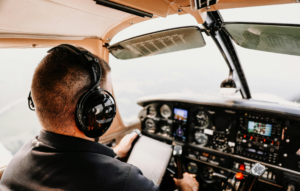
Piloting a helicopter for police or rescue missions is not without its dangers. Urban environments present unique challenges, such as avoiding power lines, navigating between tall buildings, and dealing with unpredictable ground movements. In rural or mountainous areas, pilots face issues like sudden wind gusts, altitude-related performance limitations, and narrow landing zones.
Weather conditions also significantly affect helicopter operations. Pilots must often contend with heavy rain, low visibility, or icy conditions while maintaining precise control. The slightest miscalculation in these scenarios can have severe consequences, underscoring the need for rigorous training and expertise.
Combating Crime from Above
Helicopters are also critical in combating organized crime, particularly in drug enforcement and anti-smuggling operations. By patrolling vast areas of land or coastline, helicopters equipped with radar and thermal imaging can detect hidden drug labs, illegal crops, or smuggling routes. This aerial advantage enables law enforcement to locate and disrupt criminal activities that would otherwise remain concealed.
Coordination with Ground Teams
The success of helicopter missions depends on seamless coordination between air and ground teams. Helicopter crews relay real-time information to officers on the ground, helping them to take swift and informed actions. For search-and-rescue missions, pilots work closely with medics and disaster response teams to ensure that evacuations and aid deliveries are conducted safely and efficiently.
This level of teamwork is essential for achieving the best outcomes, especially in high-stakes situations. Communication systems, joint training exercises, and clear protocols help ensure that helicopters operate as an integral part of larger rescue or policing efforts.
The Human Factor: Emotional and Psychological Challenges
Operating in life-and-death situations takes a toll on pilots and crew members. Police pilots often witness distressing events, from accident scenes to disaster zones, which can leave a lasting emotional impact. Similarly, the high stakes and intense focus required during missions can lead to stress and fatigue.
However, the knowledge that their efforts save lives and enhance public safety often provides a sense of purpose and fulfillment. Support systems and mental health properties are essential for helping crews navigate the emotional challenges of their roles.
Conclusion
Helicopters are more than just machines; they are lifelines in emergencies and powerful tools in law enforcement. Whether tracking a fleeing suspect, delivering aid, or rescuing someone from the brink of disaster, their contributions are invaluable. The challenges of flying over danger are significant, but the impact on lives and communities makes every mission worthwhile.