Skip to content

Life inside a helicopter is a unique mix of precision, intensity, and exhilaration. For pilots and crew members, the cockpit is more than a workplace; it’s a dynamic environment where quick decisions, technical expertise, and adaptability are crucial. This space offers a front-row seat to extraordinary sights, life-saving missions, and, sometimes, heart-pounding challenges.
The Heart of the Helicopter: The Cockpit
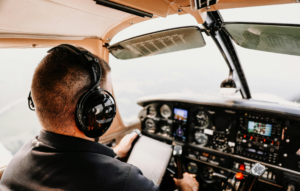
The cockpit is a compact and highly organized hub of activity. Its instrument panel brims with gauges, switches, and digital displays, each providing essential data about the aircraft’s status, performance, and surroundings. Pilots must monitor these constantly while staying alert to their external environment. A single miscalculation—whether in altitude, speed, or navigation—can have significant consequences.
Communication is also vital. Pilots are in continuous communication with air traffic controllers, ground crews, and occasionally other aircraft. This requires a sharp mind to process instructions quickly and relay real-time updates. Radios and headsets keep the crew connected, creating a synchronized effort that’s critical to success in any mission.
The Physical Demands of Flying
Operating a helicopter involves intense physical coordination. Pilots control the cyclic stick to manage the aircraft’s direction, the collective lever to adjust altitude, and the anti-torque pedals to stabilize the aircraft. Every input requires precision. For instance, even a minor adjustment of the cyclic stick can shift the helicopter’s trajectory, making smooth and steady movements essential.
Flying is a full-body task that often feels like balancing on a tightrope. Pilots must use their hands, feet, and even subtle body movements to keep the helicopter steady. The constant adjustments are second nature for seasoned pilots but demand significant focus, especially in turbulent conditions or during high-stakes maneuvers.
Mental Resilience Under Pressure
Helicopter pilots must also possess exceptional mental strength. The cockpit is often a high-pressure environment where decisions need to be made in seconds. For example, during a search-and-rescue mission in a remote area, pilots must balance their focus on navigation, communication, and identifying the target.
Adverse weather conditions add another layer of complexity. Navigating through thick fog, gusty winds, or icy rain requires split-second decision-making and the ability to remain calm. The stakes are even higher when lives are at risk, whether it’s rescuing flood victims or airlifting injured individuals to safety.
Adapting to Different Missions
Each mission brings unique challenges, and the cockpit environment shifts accordingly. On a routine patrol, the atmosphere might be relatively calm, with the crew scanning the landscape for unusual activity. In contrast, during disaster relief or police operations, the urgency and stakes are palpable. The crew works in a coordinated frenzy, processing new information and making quick adjustments to ensure success.
Weather also plays a critical role. Helicopters operate in diverse conditions, from scorching heat to freezing cold. Pilots must be adaptable, adjusting their approach based on visibility, wind speed, and other environmental factors. They are trained to expect the unexpected and react accordingly, ensuring the safety of both the aircraft and its passengers.
Moments of Awe and Beauty
Despite the intensity of the job, flying a helicopter offers unparalleled moments of awe. From the cockpit, pilots witness breathtaking views that few ever experience. Soaring over mountain ranges, gliding above vast forests, or hovering over ocean waves creates a sense of freedom and wonder.
These moments can be deeply humbling. The world from above offers a unique perspective, reminding pilots of the vastness of nature and the interconnectedness of people and places. Even during high-pressure missions, these sights provide a rare opportunity for reflection and gratitude.
The Emotional Challenges
Life inside a helicopter isn’t all beauty and adventure. Pilots and crew often face emotionally challenging situations, particularly during rescue missions or law enforcement operations. Witnessing accidents, natural disasters, or life-threatening emergencies can be detrimental to mental well-being.
However, the rewarding nature of the job often outweighs its difficulties. Knowing their efforts directly save lives and support communities gives many pilots a profound sense of purpose. This balance of challenge and fulfillment defines the life of a helicopter pilot.
Teamwork and Trust
While the cockpit is the pilot’s domain, successful missions depend on teamwork. Helicopter crews operate as a unit, with each member contributing to the operation’s success. Ground teams, air traffic controllers, and emergency responders work in tandem with the crew to achieve shared goals.
Trust is important in these collaborations. Whether a crew member assists with navigation or a ground team coordinates logistics, clear communication, and mutual confidence are critical. This teamwork transforms the high-pressure cockpit environment into an efficient and effective operation.
Conclusion
Life inside a helicopter is a remarkable experience, combining technical skill, emotional stability, and awe-inspiring views. The cockpit becomes a space of focus and connection, where pilots and crews face challenges head-on while witnessing the beauty of the world from above. It’s a demanding life, but for those who take to the skies, it’s also profoundly rewarding.